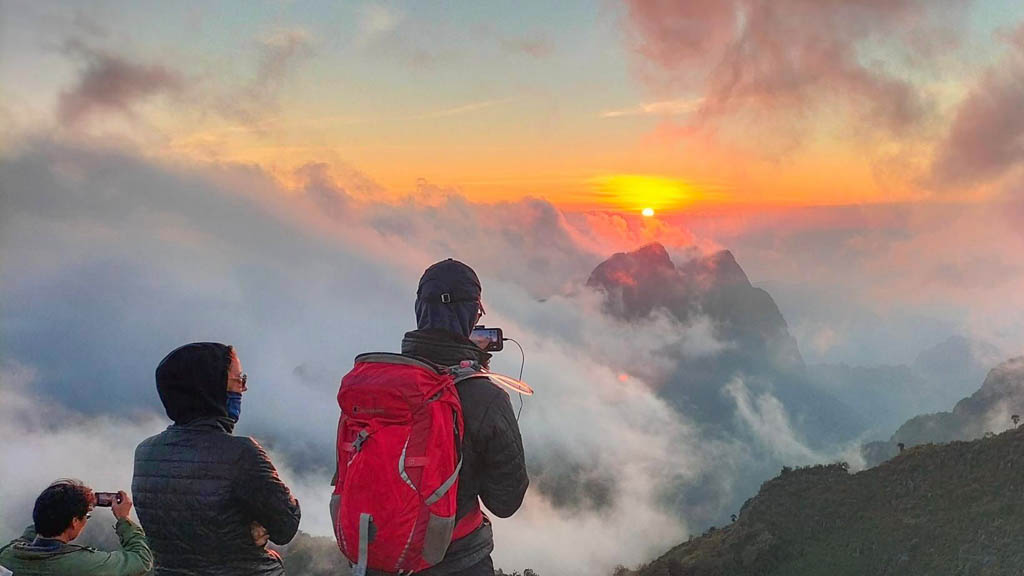
Northern Thailand is famous for its beautiful mountains, forests, waterfalls, and wildlife. Places like Chiang Dao attract hikers, birdwatchers, and nature lovers from around the world. However, many visitors may not realize that hiking alone or entering the forest without a local guide can be dangerous and, in many areas, illegal.
Thailand’s forests are large, complex, and highly diverse. Many protected areas include dense jungle, steep mountains, limestone cliffs, and remote trails that are difficult to navigate. Even experienced hikers can easily become lost, especially during the rainy season when trails disappear or conditions change quickly.
Another important issue is that the number of forest rangers and park officers is limited compared to the size of the protected areas. Rangers work hard to protect wildlife and forests, but they cannot monitor every trail or every visitor at all times. In some regions, there are still illegal activities inside the forest, such as poaching, illegal hunting, and collecting forest products. These activities are against Thai law and can create dangerous situations for visitors who accidentally enter restricted or sensitive areas.
In Thailand, entering protected forest areas without permission may also violate local regulations or national park laws. Some trails require official permission, community permission, or licensed local guides. Visitors who enter restricted areas without authorization may face fines, legal problems, or rescue costs if accidents happen.
Unfortunately, accidents in the forest happen regularly. Some incidents involve people who secretly enter the forest without preparation or local knowledge. Others are caused by natural dangers such as sudden weather changes, slippery trails, flash floods, cliffs, insects, snakes, or encounters with wild animals. In remote mountain areas, mobile phone signals are often weak or unavailable, making emergency rescue difficult and slow.
Hiring a local guide and booking through a licensed tour company is a much safer and more responsible choice. Local guides understand the trails, weather conditions, wildlife behavior, and local regulations. They can help visitors avoid dangerous areas, respect local communities, and enjoy nature in a safer and more meaningful way.
A professional local guide also helps visitors learn more about the forest itself — including birds, orchids, insects, animal tracks, and the changing relationship between nature and climate. Hiking becomes not only safer, but also a deeper educational experience.
Responsible tourism protects both visitors and nature. By hiking with licensed guides and legal tour operators, travelers help support local communities, conservation efforts, and sustainable tourism in Northern Thailand.
Suggested Category
- Nature Walk
- Travel Information
- Responsible Tourism
Important Warning
Entering the forest without a local guide or authorized leader is illegal in many protected areas of Thailand.
If you are interested in hiking, trekking, or nature activities, please contact your accommodation, local community, or licensed tour operators for proper information and legal arrangements.
Traveling with licensed local guides is safer, more responsible, and helps support conservation and local communities.