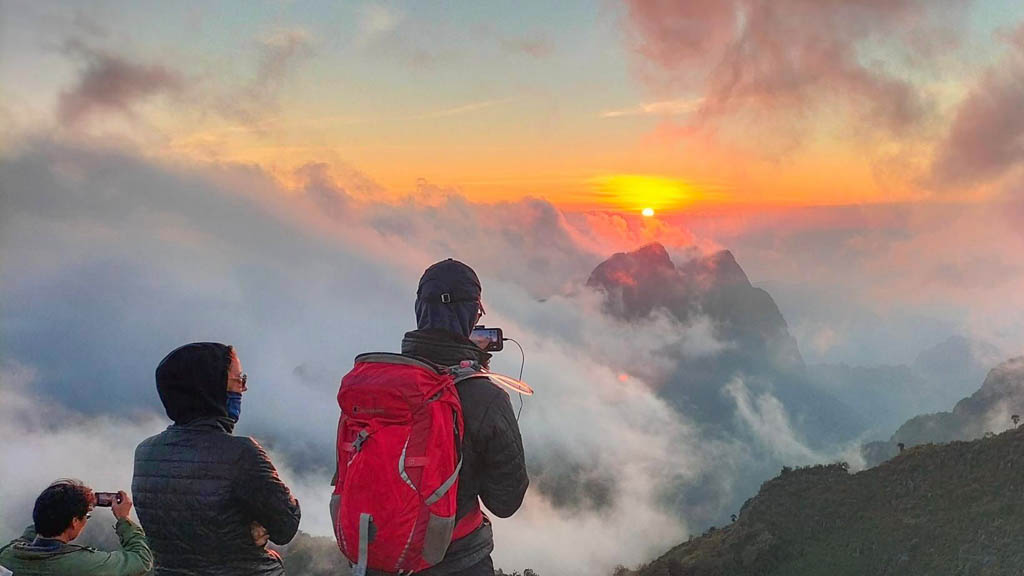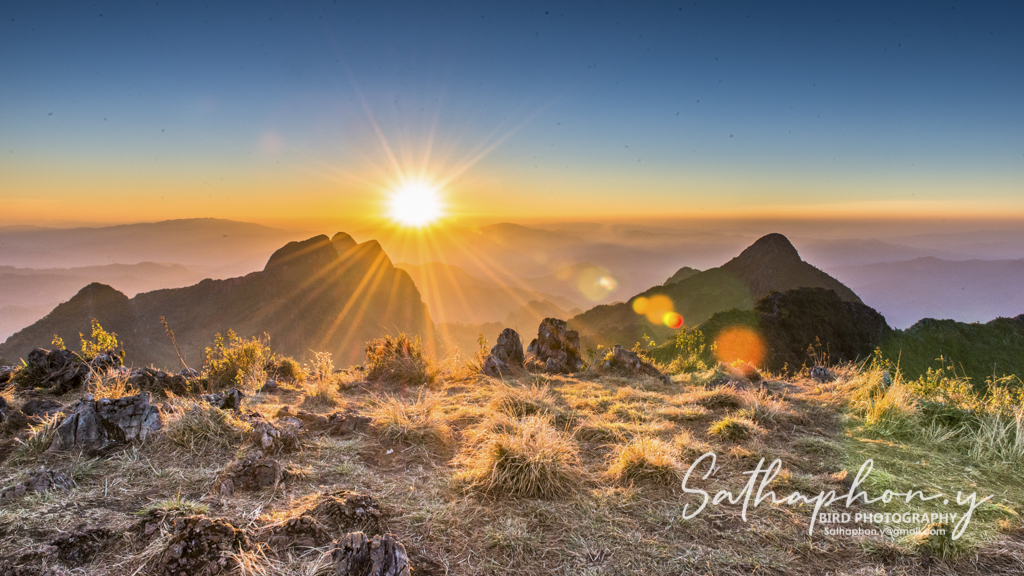
Rising dramatically above the valleys of Northern Thailand, Doi Luang Chiang Dao is one of the country’s most important natural landscapes. With its limestone mountains, evergreen forests, rare wildlife, orchids, birds, and cool mountain climate, the area has become a destination for nature lovers, birdwatchers, hikers, and photographers from around the world.
The mountain is internationally recognized as part of the Chiang Dao Biosphere Reserve, an area known for its rich biodiversity and long relationship between local communities and nature.
A Unique Mountain Ecosystem in Northern Thailand
Doi Luang Chiang Dao is one of the highest limestone mountains in Thailand. The landscape changes quickly with elevation, creating many different habitats within a relatively small area.
Visitors can experience:
- Limestone cliffs and mountain scenery
- Evergreen and dry dipterocarp forests
- Seasonal streams and waterfalls
- Wild orchids and seasonal flowers
- Butterflies, insects, and mushrooms during the green season
- Cool mountain weather during winter months
The mountain is especially beautiful during early mornings, when mist covers the valleys below the limestone peaks.
A Paradise for Birdwatchers and Nature Lovers
The forests around Chiang Dao are famous among birdwatchers because of their incredible biodiversity.
Birders visiting the area may observe:
- Flycatchers
- Broadbills
- Barbets
- Woodpeckers
- Sunbirds
- Laughingthrushes
- Seasonal migratory birds
Because habitats change from lowland forest to mountain forest, many species can be found within short travel distances.
The area is also important for nature study, wildlife photography, and ecological education.
Chiang Dao Wildlife Sanctuary — Not a National Park
One important thing visitors should understand is that Doi Luang Chiang Dao is located within the Chiang Dao Wildlife Sanctuary, not a national park.
The area is managed under the responsibility of the Chiang Dao Wildlife Sanctuary authority, which operates with stricter conservation regulations than many general national parks in Thailand.
The primary goal of the sanctuary is long-term protection of:
- Wildlife habitats
- Forest ecosystems
- Rare plants
- Endemic species
- Sensitive mountain environments
Because of this, visitors may notice:
- Seasonal trail closures
- Restricted access in some areas
- Camping regulations
- Visitor limitations
- Permit requirements
- Strict environmental rules
These regulations are designed to reduce human impact and help preserve one of Thailand’s most important mountain ecosystems.
Understanding the difference between a wildlife sanctuary and a national park helps visitors better appreciate why conservation is taken very seriously in the Chiang Dao area.
Responsible Nature Travel in Chiang Dao
Responsible tourism plays an important role in protecting the mountain and supporting local communities.
Visitors are encouraged to:
- Stay on designated trails
- Respect wildlife and nesting areas
- Avoid loud noise in forest habitats
- Follow sanctuary regulations carefully
- Support local guides and community tourism
- Reduce waste and environmental impact
Using licensed local guides can also help visitors better understand the forest, wildlife behavior, seasonal changes, and safety conditions.
Best Time to Visit Doi Luang Chiang Dao
Cool Season (November – February)
- Cool temperatures
- Clear mountain views
- Excellent hiking and birding conditions
Green Season (May – October)
- Lush forests and waterfalls
- Orchid blooming season
- Butterflies and mushrooms
- Beautiful misty landscapes
Hot Season (March – April)
- Dry forest atmosphere
- Early breeding activity for many bird species
- Fewer visitors
Each season offers a different experience and unique opportunities for nature observation.
More Than Just a Mountain
Doi Luang Chiang Dao is more than a tourist destination. It is a living ecosystem where forests, wildlife, local culture, and conservation exist together.
Whether you visit for birdwatching, hiking, photography, or simply to experience the peaceful atmosphere of Northern Thailand, Chiang Dao offers one of the most authentic nature experiences in the country.